
How to germinate mango & nectarine seeds and root fig cuttings at home
Heads up — affiliate links below. This post contains Amazon affiliate links. If you click through and make a purchase, I earn a small commission at no extra cost to you whatsoever. It’s a tiny way to help me keep posting content like this, and I genuinely appreciate every click. Thank you!
There’s something deeply satisfying about growing a fruit tree from a seed or cutting you saved yourself. This past season I tackled three projects at once: extracting and germinating mango seeds, cracking open nectarine pits to free the seeds inside, and rooting fig cuttings using a willow water soak. Here’s exactly how I did it, step by step, with everything you’ll need linked below.
What you’ll need
- Coconut coir pith
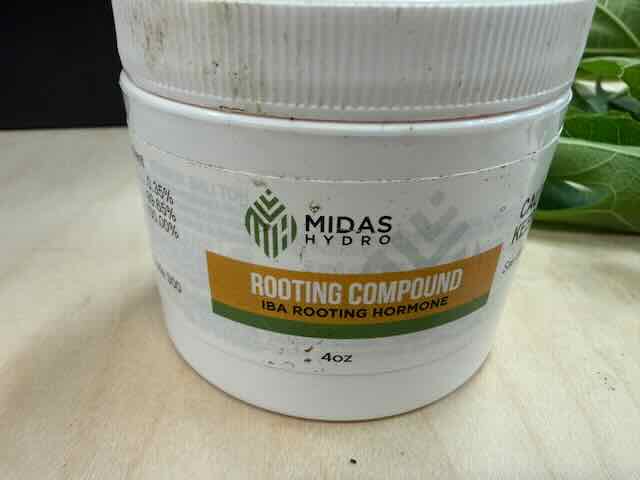
- Rooting compound
- Grafting knife
- Grafting tape
- 2 gal nursery pots (10-pack)
- Deep nursery pots 9.8″
You can use either the 2 gallon pots to the deep nursery pots. I have used both for one purpose otr the other.
Part 1 – Germinating mango seeds
Mangoes have a large flat husk around the true seed. The key is removing that seed without damaging it, then giving it the right warm, moist environment to sprout.
Step 1 – Remove the husk
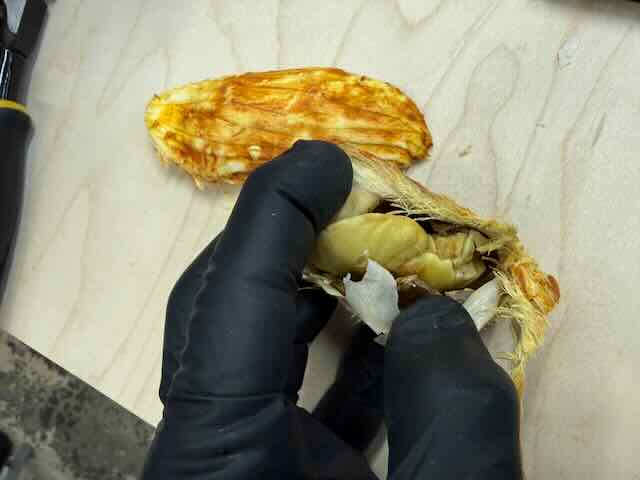
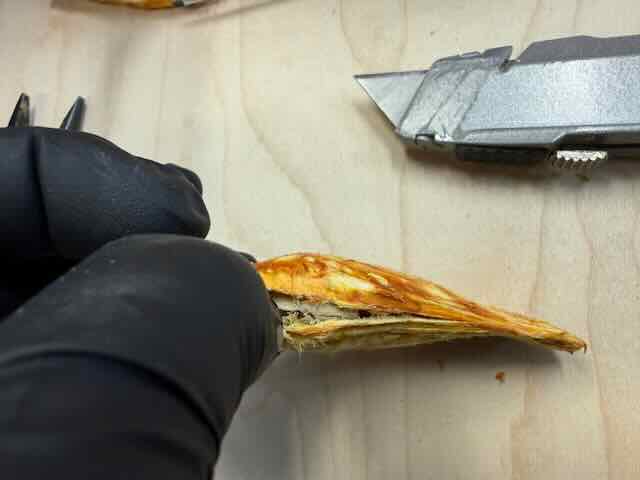
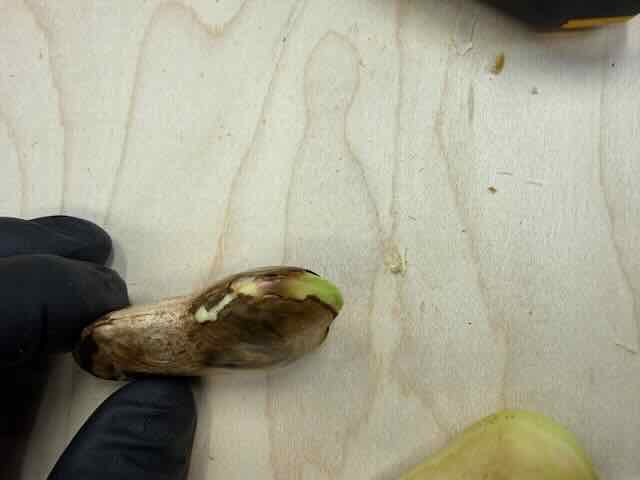
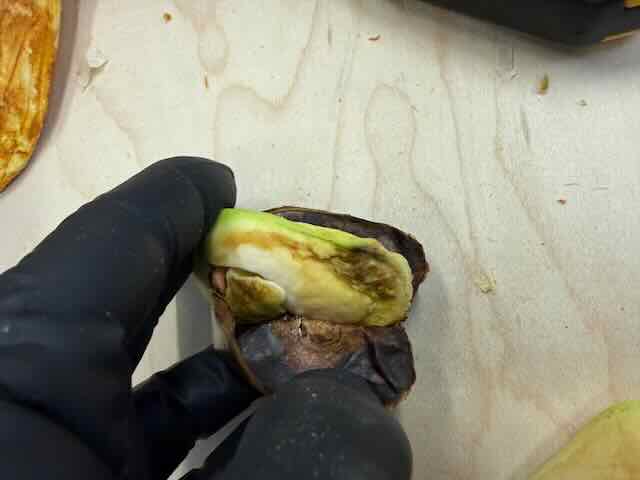
After eating your mango, scrape off as much fruit flesh as you can and let the husk dry for a day or two. You’ll notice one edge is slightly thinner – that’s where you’ll insert your grafting knife to pry it open.
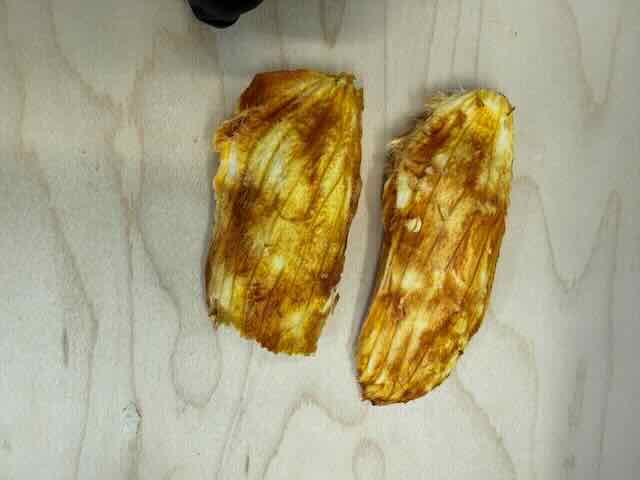
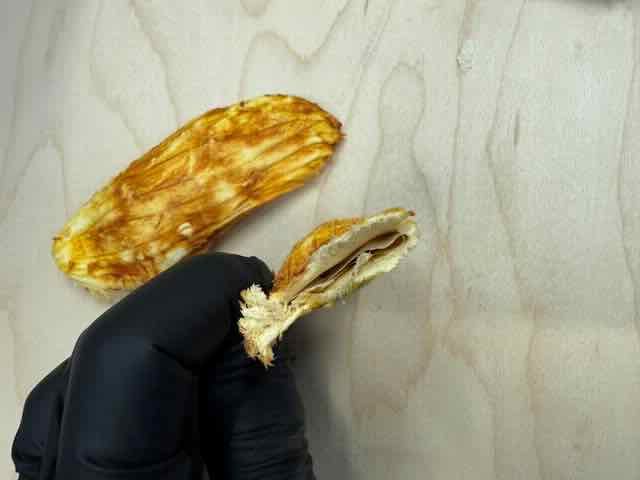
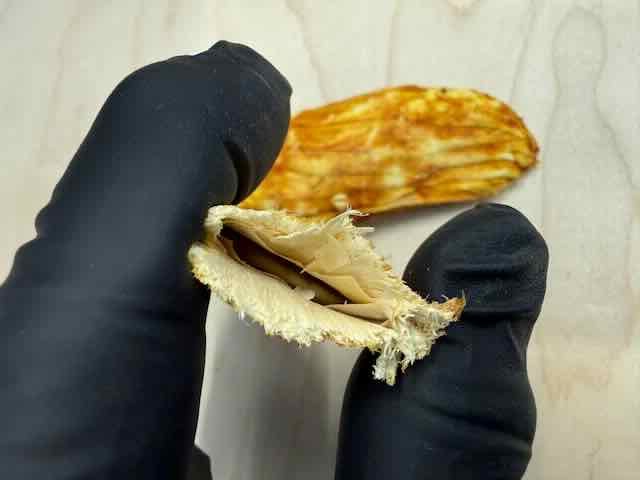
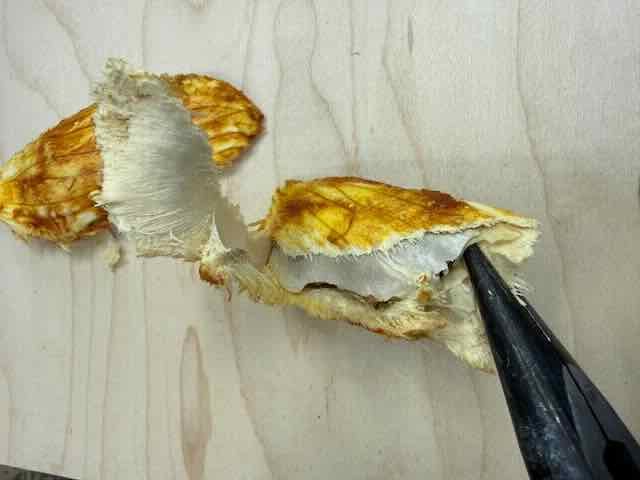
Step 2 – Extract and clean the seed
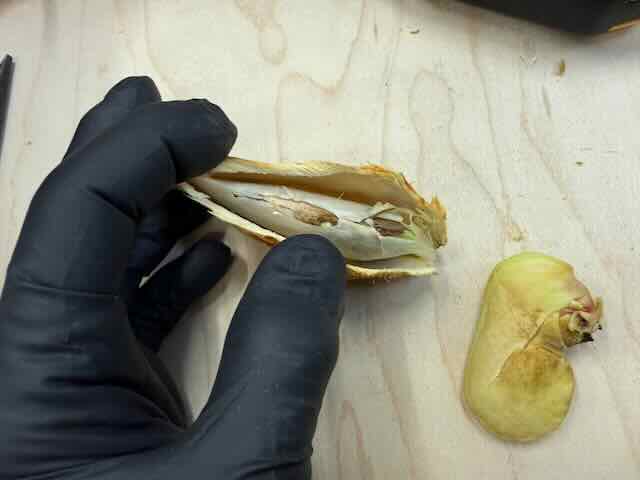
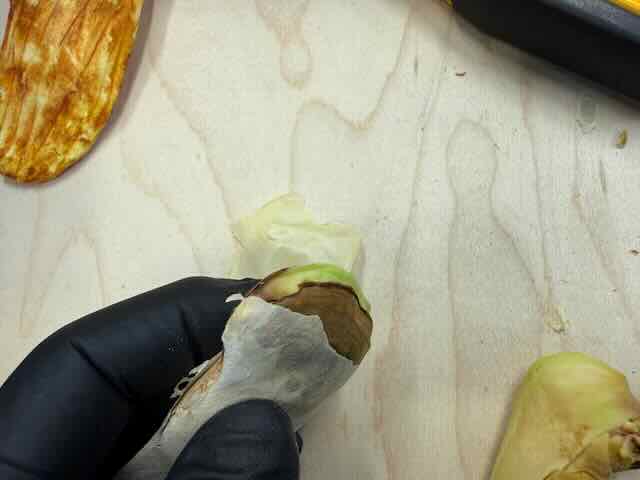
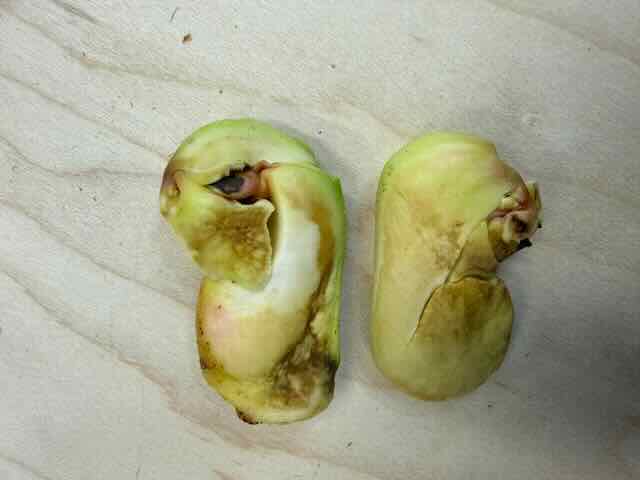
Once the husk is pried open, you can pull the seed free. It will be encased in a papery skin – you can leave this on or carefully peel it away. Either works, though removing it can speed things up slightly.
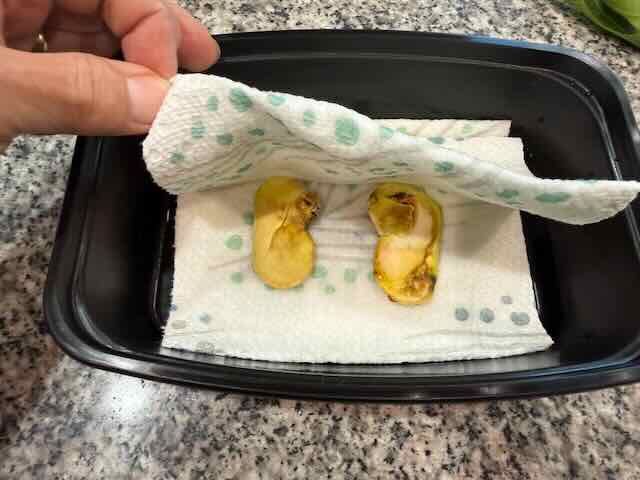
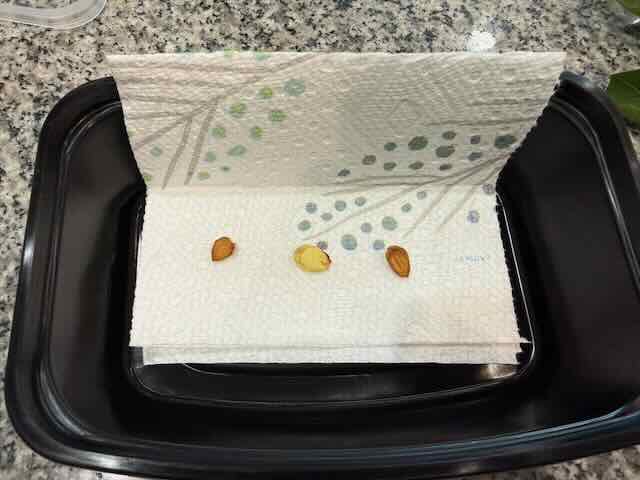
Step 3 – Germinate in a damp paper towel
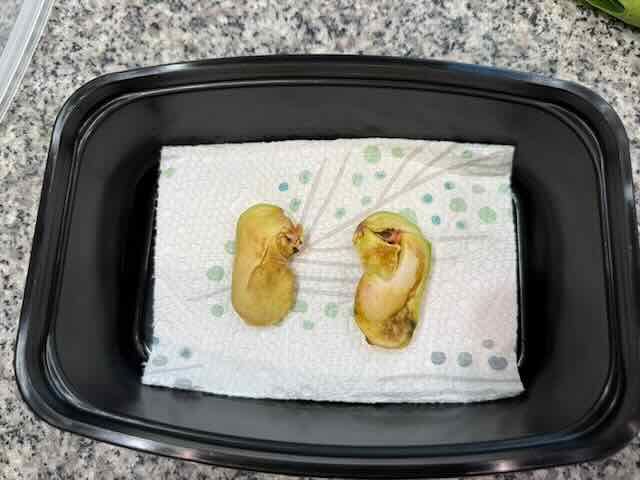
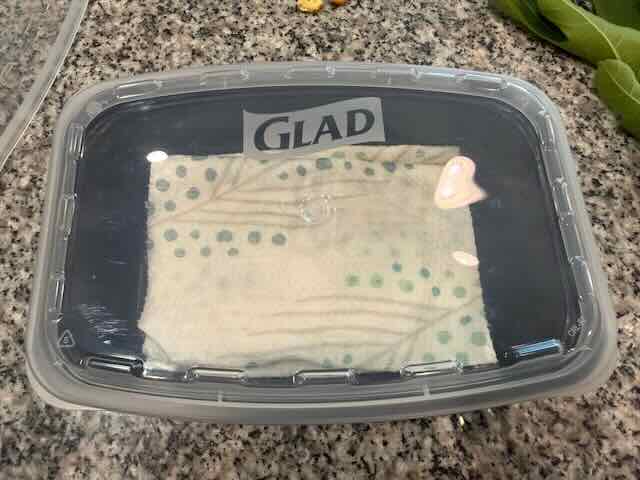
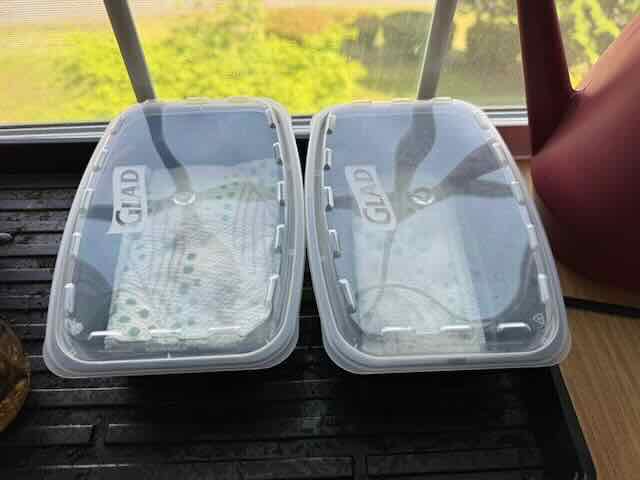
This is the method I prefer over planting directly in soil. Place your seeds on a damp paper towel inside a sealed container and set it somewhere warm – a windowsill works great. Check every few days and keep the towel moist but not soaking.
Part 2 – Germinating nectarine seeds
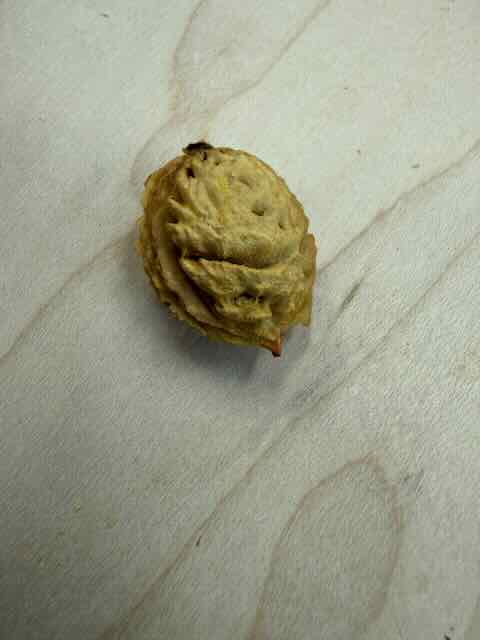
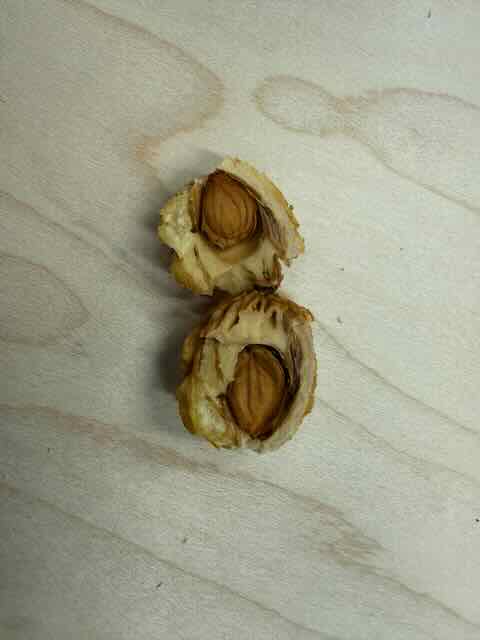
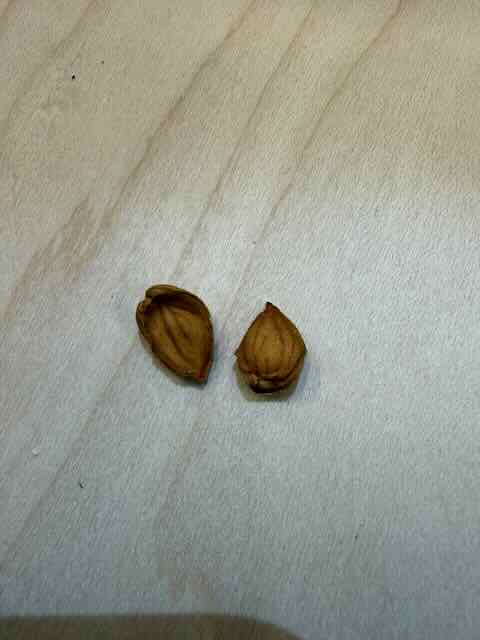
Nectarine seeds are locked inside a hard pit. You’ll need to crack that pit open to free the almond-like seed inside before you can germinate it.
Step 1 – Crack the pit
Let the nectarine pit dry out for a few days after eating the fruit. Then use a sturdy tool to crack it along the seam – I used pliers, but a nutcracker or the back of a heavy knife works too. The goal is to crack it open without crushing the seed inside.
Step 2 – Germinate the seed
The nectarine seed goes into the same damp paper towel setup. Place it in a sealed container on a warm windowsill. Nectarine seeds benefit from a cold stratification period (a few weeks in the fridge) to mimic winter, but you can try skipping it in spring when temperatures are already rising.
Part 3 – Rooting fig leaf cuttings
Figs root readily from cuttings, especially when you give them a little help. My secret weapon is willow water – a natural rooting solution you can make at home from willow twigs – combined with a quality rooting compound.
Step 4 -Take your cuttings
Select healthy semi-hardwood stems with at least two or three nodes. Cut just below a node at a 45-degree angle using a sharp grafting knife. Remove lower leaves, keeping just one or two at the top to reduce moisture loss.
Dip in rooting compound and plant
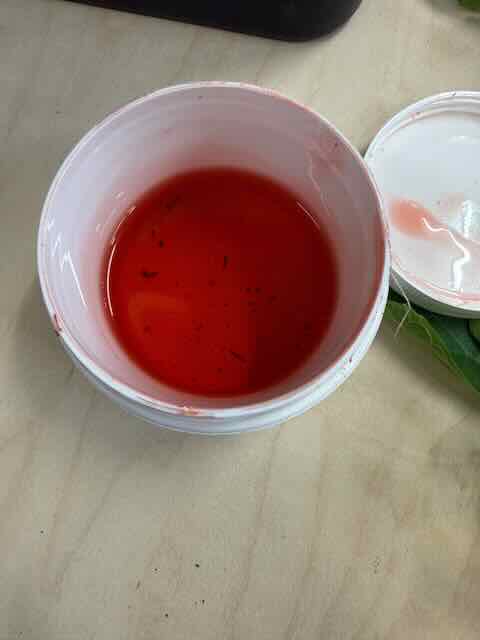
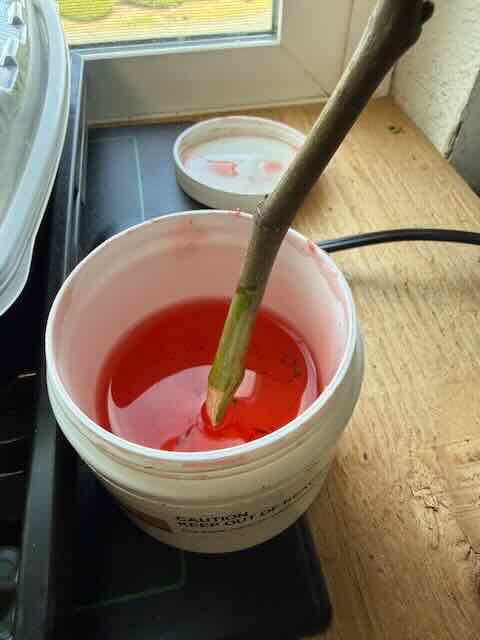
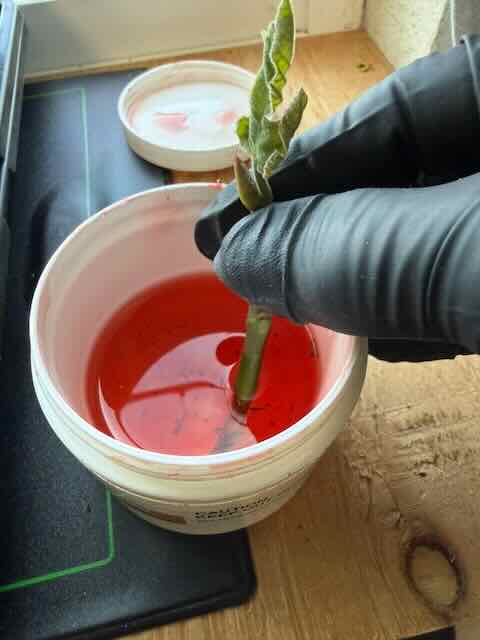
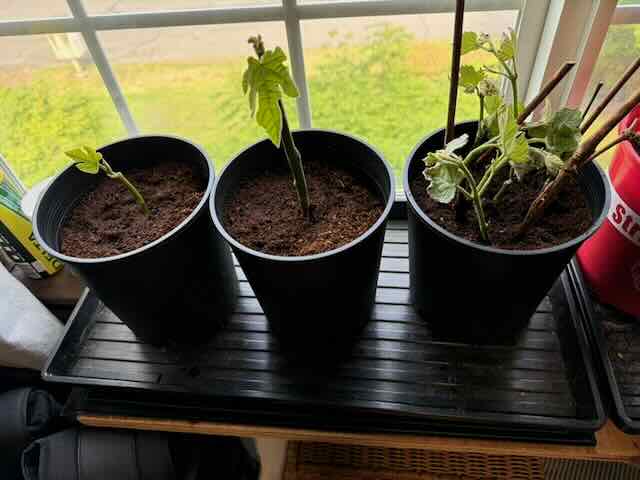
After the willow water soak, dip the cut end in rooting compound powder, tap off the excess, and plant into moist coconut coir in your nursery pots. Coconut coir is ideal here — it stays moist without becoming waterlogged and has excellent aeration for developing roots.
The result
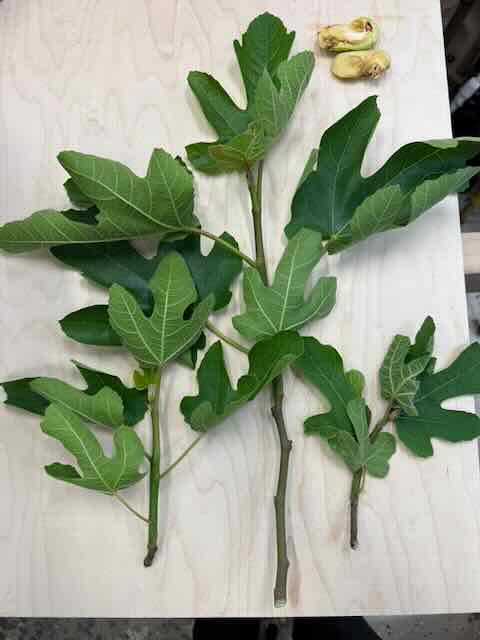
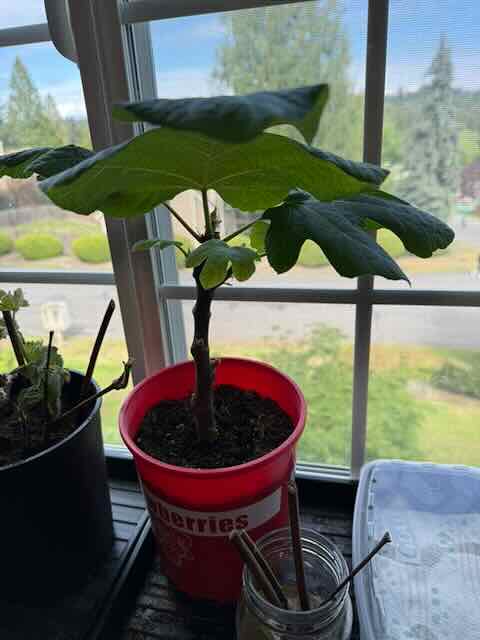
Keep the soil consistently moist and be patient. Fig cuttings typically root within 4-8 weeks. You’ll know they’ve taken when you see new leaf growth pushing out – a sure sign roots are established below.
Final tips
- Use fresh seeds whenever possible — mango and nectarine seeds lose viability fast once dried out.
- Warmth is your friend for germination. A seedling heat mat under your containers makes a big difference.
- Don’t skip the willow water soak for fig cuttings — it’s free to make and genuinely improves strike rates.
- Be patient. Seeds and cuttings operate on their own timeline. Check in every few days but resist the urge to disturb them constantly.
Affiliate disclosure: This post contains Amazon affiliate links. As an Amazon Associate I earn from qualifying purchases. This costs you nothing extra and helps support this site so I can keep sharing posts like this one. Thank you for your support!




Leave a Reply